Probiotic Side Effects? Here’s What You Should Know
Probiotic Side Effects? Here’s What You Should Know
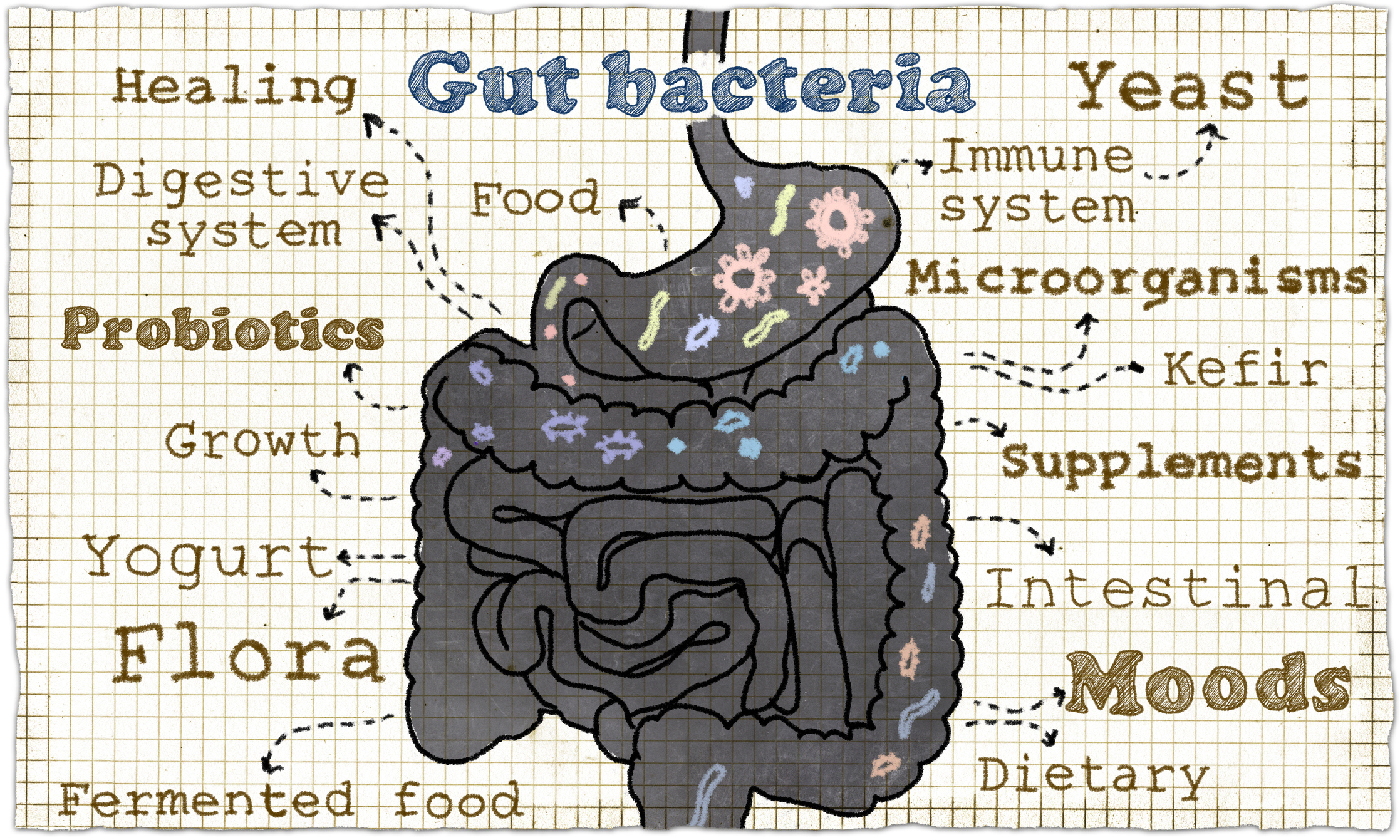
More and more people are talking about the health benefits of a well-functioning gut microbiome (also known as gut flora)—and its influence over the entire body. If you nourish, protect, and heal your gut, your body responds in kind.
Poor digestive health has been linked in no small way to issues like poor immune health and HPA axis suppression, while a healthy gut has been linked to strengthened immune and adrenal health, and even sustainable weight loss.
This is where probiotics and daily probiotic supplements come in handy. Probiotics, in essence, are the good bacteria that your gut needs to thrive; supplementing with probiotics (or eating probiotic-rich foods like kimchi, sauerkraut, kefir, or plain Greek yogurt) helps ensures that the bad bacteria that line your gut are outnumbered, keeping you healthy and strong.
In fact, there are trillions of bacteria in your gut right now—both good and bad. The goal is to keep the bad ones to a minimum so they don’t outweigh the friendly bacteria and wreak havoc on your body.
“Probiotics are the crux of our whole-body immunity and therefore essential to feed and protect. Probiotics have been linked to every system in the body, confirming them as the center of health,” explains Christine Dionese, integrative, epigenetic health and food therapy specialist. “Conventional providers are finally catching up to what integrative practitioners have known for decades.”
Plenty of people—including those with inflammatory bowel disease, ulcerative colitis, and gastrointestinal tract and digestive issues—turn to probiotics to promote digestive healing as well as their overall wellness.
Other perks? In addition to supporting people who suffer from HPA axis suppression and autoimmune symptoms, another study also found that probiotics also helped people find bathroom regularity— a bonus for folks who find themselves going too often or not enough. Even more—because probiotics help populate your gut flora with the good stuff, they can counterbalance the effects of antibiotics, which can destroy all your gut bacteria (including the friendly ones),
Just as you take other beneficial supplements, a daily probiotic regimen should be at the top of your wellness to-do list.
So, are there side effects of taking probiotics? The short answer: not really. Probiotics aren’t regulated, but they’re generally safe, according to Katherine Zeratsky, RD, LD. In fact, the Cleveland Clinic found that they’re safe for children as well. Just be sure to speak with your medical practitioner or a BodyLogicMD-affiliated practitioner about which kind of probiotic is right for you or your child, and be sure to ask about any of the potential side effects below.
Also, make sure to always follow the directions on correct probiotic dosage, frequency, and storage (many, for example, need to be refrigerated).
Using a low-quality probiotic supplement could cause issues
According to Dionese, you should tailor your probiotic to your personal gut needs: “The only downsides to taking probiotic supplements is if you haven’t chosen a high-quality, well-sourced brand or if you are consuming probiotics from foods that may not suit your personal gut microbiome.”
If you have questions about which high-quality probiotic is right for you, speak to your doctor or a BodyLogicMD-affiliated physician.
Taking a probiotic at the wrong time may negate its effectiveness
It’s best to take a probiotic when your stomach is less acidic and you’ve had some water and a bite to eat—otherwise it may not work properly and could cause a belly ache, bloating, or gas which are all common side effects of taking probiotics. According to a study published in Beneficial Microbes, a probiotic supplement taken within 30 minutes of eating a meal better survived the gut environment. For this reason, an afternoon probiotic might be your best bet.
Here’s why, exactly: probiotic supplements contain live bacteria (they’re called colony-forming units, or CFUs), like Lactobacillus rhamnosus, Lactobacillus gasseri, or Lactobacillus acidophilus.
These bacteria need to survive and thrive to do their work in your belly—requiring warmth and water and food. This is why it’s probably not best to pop your probiotic in the morning. Your belly simply doesn’t have enough of the right conditions for the probiotic to thrive. Plus, your morning stomach tends to be fairly acidic, which can also make it hard for a probiotic to successfully thrive. You might experience gas, bloating, or even diarrhea when first supplementing with probiotics, but this should become less frequent once your body becomes accustomed to the repopulation of good bacteria.
Some people experience headaches, allergy-like symptoms, and adverse reactions
Some probiotic-rich foods contain something called biogenic amines. These are substances that form (tryptamine and phenylethylamine, for example) when certain proteins are fermented by bacteria. In people who are sensitive to amines, they may find their central nervous system triggered by the food, which could bring about symptoms like headaches. A probiotic supplement, on the other hand, generally won’t trigger these side effects, since the issue is associated with probiotic-rich foods.
Other may cause a histamine release—inducing cold-like symptoms (think a runny nose). If you have a histamine intolerance, you may want to avoid the probiotic strains Lactobacillus buchneri, Lactobacillus helveticus, Lactobacillus hilgardii, and Streptococcus thermophilus, according to Healthline.
Lastly, some probiotics contains ingredients like egg, soy, or lactose. If you are generally intolerant to these ingredients, you’ll want to double-check your probiotic and find one that fits your needs.
Additionally, many probiotics also contain prebiotics (this type of supplement is called a synbiotic), which are food for bacteria. These prebiotics can contain ingredients that may not agree with your system, like lactulose or inulin.
If you experience bloating or gas when taking the wrong kind of probiotic or synbiotic supplement, you’ll want to find another that suits your needs.
Infections are rare, but possible
A very small risk of infection is possible when taking Lactobacillus (about one in one million people experience this) or when taking yeast-based probiotics (about one in 5.6 million people experience this). For this reason, certain people should avoid probiotics, including those with severely weakened immune systems.
A word on probiotics and pregnancy
If you are pregnant or nursing or planning on getting pregnant, check with your doctor first before starting a probiotic regimen. While there are no documented risks associated between probiotics and pregnancy or lactation, it’s better to have your doctor’s green light.
If you’re searching for a good daily probiotic, try Pure Probiotic from BodylogicMD, which is used to promote intestinal health and boost immunity.
If you are ready to transform your life with expert care from a highly-trained practitioner who specializes in bioidentical hormone replacement therapy and integrative medicine, contact BodyLogicMD today. The practitioners within the BodyLogicMD network are among the top medical professionals in the nation specially certified to help you achieve your health goals, including addressing symptoms of hormone imbalance. Get started on a customized treatment plan designed to fit your lifestyle and ensure you reach optimal wellness. Begin your journey now, contact a BodyLogicMD-affiliated practitioner near to schedule your first appointment.
The post Probiotic Side Effects? Here’s What You Should Know appeared first on Bioidentical Hormone Experts.
Follow Us
Like us on Facebook
Follow us on Twitter